Salt Therapy – Horses
What is Dry Salt Therapy?
Dry Salt Therapy (Halotherapy) is a non-invasive air-based treatment which uses salt, a powerful antibacterial and anti-inflammatory mineral to relieve both respiratory and skin conditions. Salt Therapy has been used to treat similar human ailments for over 150 years in treatments such as saline nebulisers. Dry Salt Therapy is 100% natural and drug free. This does not replace veterinary treatment, but is an excellent natural complementary or natural alternative therapy. In some cases, it has reduced the need for antibiotics and steroids. It is FEI & BHA legal and therefore can be used on competition day if required.
How does Salt Therapy help Horses?
This state of the art treatment helps to improve the overall health and efficiency on the respiratory system which in turn leads to improved cardiovascular performance as well as relieving the symptoms of skin conditions and allergies improving overall health and wellbeing in your horse.
The science behind Dry Salt Therapy
Respiratory Conditions
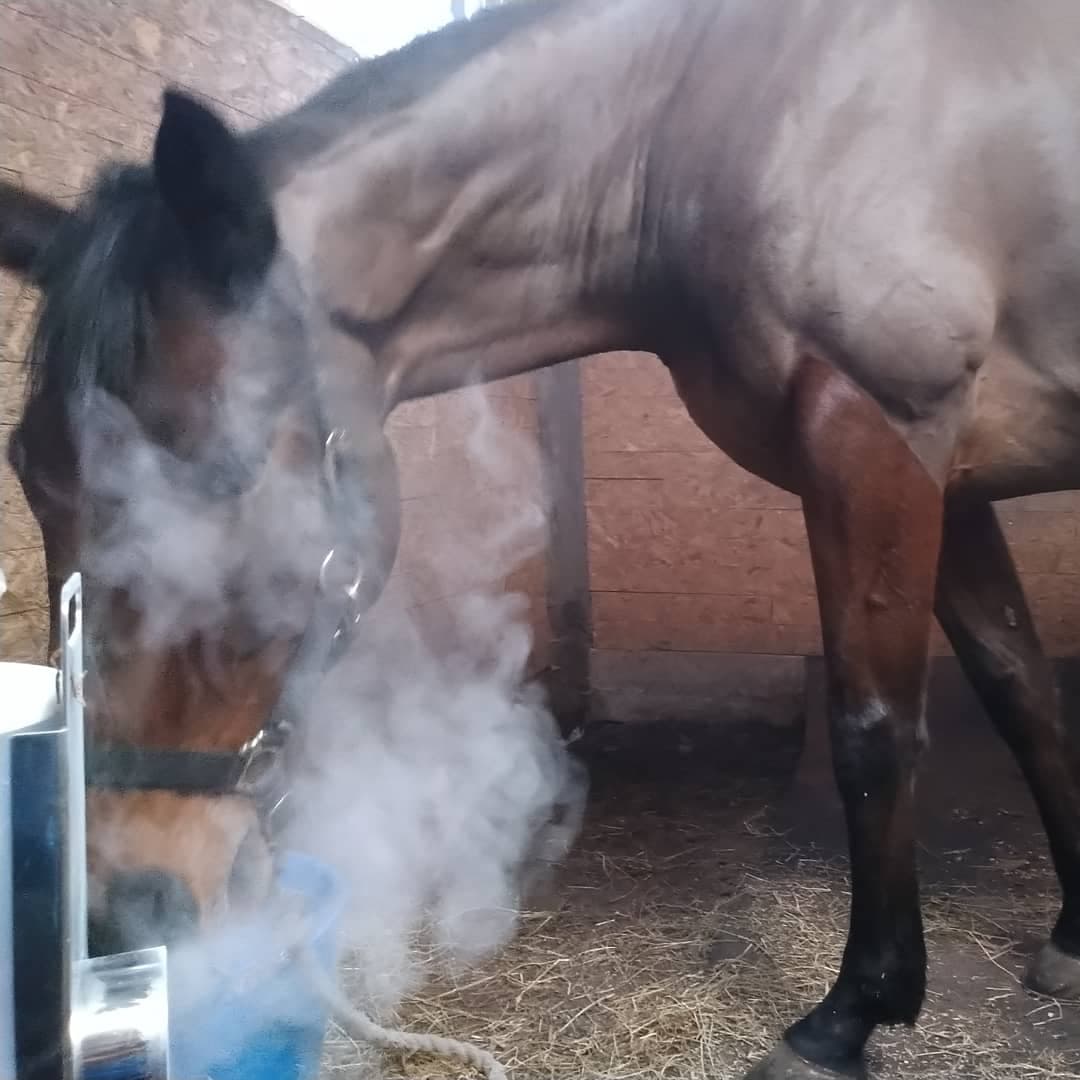
Pharmaceutical / Medical grade salt is added to a small, portable machine which creates a fine salt microparticle vapour that is dispersed into the air. This is simply breathed in and inhaled deeply, into the upper and lower airways of the lungs. No water is added to the machine or the salt.
The process of Osmosis: When the micro particles of dry salt are inhaled, the particles act as a sponge (Hygroscopic) that attracts moisture from the surrounding airways, freeing the mucus off the lung wall, osmosis then reduces the stickiness of the mucus and stimulates the movement of the cilia (micro-hairs) within the lungs allowing the mucus to be transported up and out of the lungs easier. Mucus, discharge and pathogens are then seen in the nasal cavity, coming out of the nose.
Salt has strong properties of being a powerful antibacterial and anti-inflammatory, while the salt is attracting the water from the mucus. It is able to reduce the inflammation, bacteria and allergens within the lung tissue and airways creating a more efficient breathing system.
Skin Conditions
Some of the salt microparticles that are dispersed during the session fall onto the skin or the salt can be aim specifically at the skin during the session. The particles permeate into the epidermis of the skin, absorb oils, and reduce the frequency of irritating skin conditions
A horse’s healthy skin has a pH of neutral to slightly alkaline in the range of 7.0 – 7.4. In a horse with sweet itch or itchy skin, the skin pH is typically increased, so more alkaline which is a common characteristic of allergic or atopic skin conditions. This elevated pH impairs the skin’s natural barrier function, making it less effective at defending against bacteria and other harmful invaders and exacerbates dryness and irritation. Salt has a p H of 7, so along with its natural antibacterial properties can prevent this development of bacteria in skin conditions, while helping to normalize the skin’s pH level and improves skin microcirculation.
Benefits of Dry Salt Therapy
Dry Salt Therapy has been shown to Improve cardiovascular performance in Horses by:
- Improving lung function, so in turn increasing stride length
- Increasing oxygen capacity
- Clearing mucus and being an effective decongestant
- Killing harmful bacteria in the respiratory system
- Improving performance and stamina
- Raise energy levels and reducing recovery time
Dry Salt Therapy has been shown to Improve and relieving respiratory conditions such as:
- Equine Asthma / IAO (Inflammatory or allergic airways disease)
- Heaves or COPD (Chronic Obstructive Pulmonary Disease)
- Coughing, Snotty Noses
- Hay fever / Allergies
- Sinus conditions and infections
- Seasonal Head shakers
Dry Salt Therapy promotes the coat condition and improves skin conditions such as:
- Sweet itch and Skin Allergies
- Summer sores and Skin Rashes
Dry Salt Therapy is so beneficial to healing wounds:
- Fungal and non-fungal dermatitis
- Healing open wound

Dry Salt Therapy improves immunity and inflammatory responses which:
- Reduces inflammation and swelling within the tissues
- Improves overall wellbeing of the horse
- Supports horses that are sensitive to environmental allergies
- Supports horses to combat infections
- Helps a horse recover from mineral salt depletion
Dry Salt therapy improves performance by:
- Increasing oxygen uptake
- Clearing the lung, to allow stride length to increase
- Allowing the horse to work harder and stronger
Dry Salt Therapy for Respiratory Conditions
“My horse only coughs on his first trot” – Horses should not cough. Dry salt therapy can help horses with a range of respiratory conditions if it’s just a cough, a snotty nose, seasonal allergies, sinus and chest infections and any stage of equine asthma. Here is a little guide I have put together to help improve breathing conditions alongside dry salt therapy.
- Asthma,
- COPD (Chronic Obstructive Pulmonary Disease),
- IAO (Inflammatory Airways Disease)
- Allergies (Dust, Pollen, Bedding / Coughing)
While I treat your horses with Dry Salt Therapy you will be given notes from the initial 3 days of salt sessions, I like to be very specific to which category (from the ones above and others). To help you understand why your horse has the symptoms they have and what are the triggers to certain pathogens, this helps owners going forward to improving their horse’s environment, management and symptoms.
What is Equine Asthma
Equine asthma affects up to 14% of horses and ponies in the UK. With the right diagnosis, treatment and management, most horses with equine asthma will still lead very rewarding lives. Many veterinary practices, group many equine breathing conditions into one large group and call it “Equine Asthma”, this group consists of:
- Asthma,
- COPD (Chronic Obstructive Pulmonary Disease),
- IAO (Inflammatory Airways Disease)
- Allergies (Dust, Pollen, Bedding / Coughing)
While I treat your horses with Dry Salt Therapy you will be given notes from the initial 3 days of salt sessions, I like to be very specific to which category (from the ones above and others). To help you understand why your horse has the symptoms they have and what are the triggers to certain pathogens, this helps owners going forward to improving their horse’s environment, management and symptoms.


How is Equine Asthma and other respiratory conditions diagnosed?
Diagnosis of equine asthma is achieved via respiratory tract endoscopy. A tracheal wash is often taken, this is a sample of fluid taken from the trachea. This tracheal fluid often gives a good indication of pathology within the lungs and airway.
A bronchoalveolar lavage (BAL) is sometimes performed which collects a sample of cells from deep within the lungs. As equine asthma is an inflammatory condition, a diagnosis can be made based on the type of cells found in the samples recovered.
Managing a Horse with respiratory conditions, allergies, airway sensitivity and coughing
Horses are blessed with large airways and lungs that allow them to be superb athletes, but the downside of this is, that they may withstand non-infectious disease of the lower respiratory tract for months to years before the owner notices. Management is just as important as treatment for horses that struggle with their airways. If your horse has been diagnosed with equine asthma, management can be just as important as treatment. While equine asthma is incurable, there are a few things that horse owners can do to reduce its effect on daily life:
- Keeping the environment Dust-Free
It is essential that your horse is kept in as dust-free an environment as possible. This may mean changing your bedding to ensure your horse isn’t ingesting dust in his stable. Opt for dust-free shavings, paper or cardboard. Think about moving your horse to an individual outdoor stable rather than in an American barn style stable under the same roof as other horses on different beddings. If an American barn style stable is all you have available. Sprinkle aisle ways with water before sweeping, put horse on the end of the line, where there is the most ventilations, remove horses from the barn while cleaning stalls or moving hay. Do not use blowers to clean aisles, remove cobwebs and other dust collectors routinely when horses are out of the barn. Your stable should have adequate drainage and should be regularly cleaned and disinfected. When mucking out, move the horse outside and ensure rubber mats are thoroughly cleaned and lifted regular if they become wet underneath. You should avoid stabling your horse near to hay bales or the muck heap, while you should also aim to make your stable as ventilated as possible.
- To turnout or not
While stable alterations can be made, there is no doubt that the best place for most horses with equine asthma and breathing conditions is outside! Your horse should be turned out as much as possible to reduce his exposure to dust and encourage exercise, fresh air can help relieve symptoms. But during the summer months some horses struggle with their breathing, hay fever and allergies with symptoms worst than during the winter months, this is due to increasing dry conditions: high dust, high pollen and extreme heat when horses are out in their summer paddocks during these times your horse might be best coming in to their stable during the day and being turned out at night when heat and pollen are at its lowest.
- To soak or steam
Steaming hay can get rid of mould spores, bacteria and kills dust mites and living organisms by destroying them with heat, if reacting up to temperature. Steaming does not get rid get of dust particles. - Steaming hay, if reacting up to temperature can get rid of mould spores, bacteria and kills dust mites and living organisms by destroying them with heat. Steaming does not get rid get of dust particles.
- Soaking gets rid of dust in your hay, soaking for less than 20mins will reduce dust within your hay, soaking will not get rid of mould spores. You only need to soak for longer if you are reducing the sugar content.
- Consider an exercise plan
The worst thing you can do for your horse that struggles with his/hers breathing is to not do any exercise. Exercise can promote the movement of mucus in the airways, when you feel your horse is struggling the last thing you think, is to exercise them. Putting your horse into canter when riding or lunging will be more beneficial to clear the lungs than trotting, cantering increases oxygen around the body and regulate a breathing pattern if your horses breathing pattern is heaving. Heaving is when your horses breathing rhythm changes into a fast, shallow, double breathe pattern. A heave line can appear in the muscles over time along the abdomen from constant effort to inhale. Even when the horses breathing recovers, heaving can become a habit in horses that have had breathing issues for a while. Putting these horses on the lunge and into canter can help the breathing pattern regulate due to the Respiratory Locomotion Coupling. These horses will still canter in the field, when they see a new pile of hay or when they are playing with their friends in the field, so what’s the difference with doing some controlled exercise on the lunge. The Respiratory Locomotion Coupling can convert a horse that is heaving (fast shallow breathing) to a horse that’s breathing slower and much deeper and slower with increasing oxygen uptake due to being used as a bronchodilator.
Exercise
Bronchodilator Lunging Protocol
According to recent studies, a 25 minute low intensity, field feasible session is recommended for horses experiencing asthma exacerbation. Which went as follows:
5 minute Warm up (Walk) 2.5 mins in each direction, allowing the horse to choose their preferred pace
- 7.5 minute (Direction A) Steady Trot/Steady Canter – horse to choose preferred pace
- 2 minute Break (walk)
- 7.5 minute (Direction A) Steady Trot/Steady Canter – horse to choose preferred pace
- 3 mininte cool down (walk)
The study was done by The British Equine Veterinary Association and can be found here.
What is the Respiratory Locomotion Coupling?
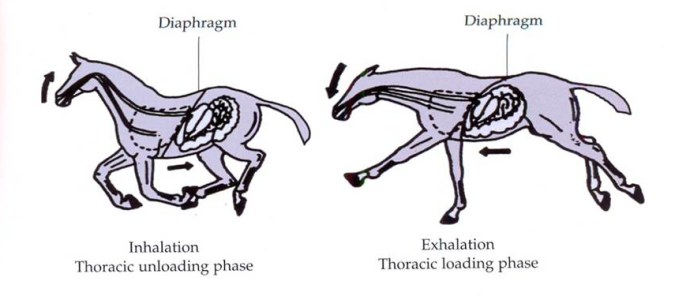
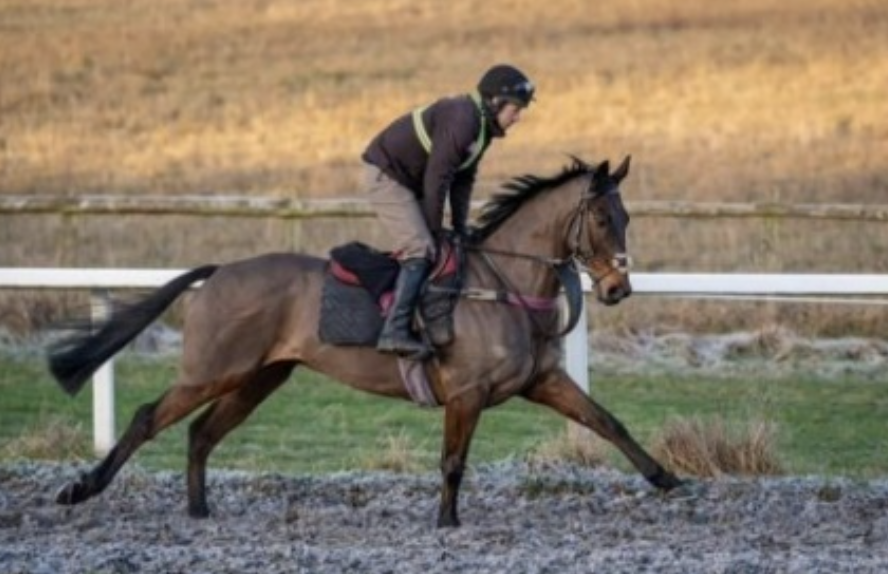
The Respiratory Locomotion Coupling in horses involves a synchronized breathing and movement pattern to facilitate breathing. Horses can take exactly one breath per stride when they cantering and galloping, indicating a close relationship between their respiratory and locomotor systems. This synchronization is particularly evident in galloping, where the speed and respiration increase with the stride length and tidal volume.
The respiratory system includes three main groups: the diaphragm, rib cage muscles, and abdominal muscles. Each group plays a specific role in the breathing process. During inhalation, the diaphragm contracts, creating space in the chest cavity, allowing air to enter the lungs. During exhalation, the diaphragm relaxes, pushing air out of the lungs. This synchronization is due to mechanical constraints in the thoracic region, and it is significant in clinically healthy galloping horses. This coordinated effort between the respiratory and muscular systems is essential for effective locomotion and overall health.
The respiratory system is known to be the first limiting factor to maximal exercising, Good performers exhibit a higher locomotor-respiratory coupling (LRC) compared to poor performers, if you can improve lung capacity and efficacy, performance will improve, indicating that the breathing techniques is critical to improving performance, not just in the increasing oxygen up take but increasing lung capacity to increase stride length, will in turn improve performance.
The respiratory system is known to be the first limiting factor to maximal exercising, Good performers exhibit a higher locomotor-respiratory coupling (LRC) compared to poor performers, if you can improve lung capacity and efficacy, performance will improve, indicating that the breathing techniques is critical to improving performance, not just in the increasing oxygen up take but increasing lung capacity to increase stride length, will in turn improve performance.
What comes out your horse’s nose can tell you so much
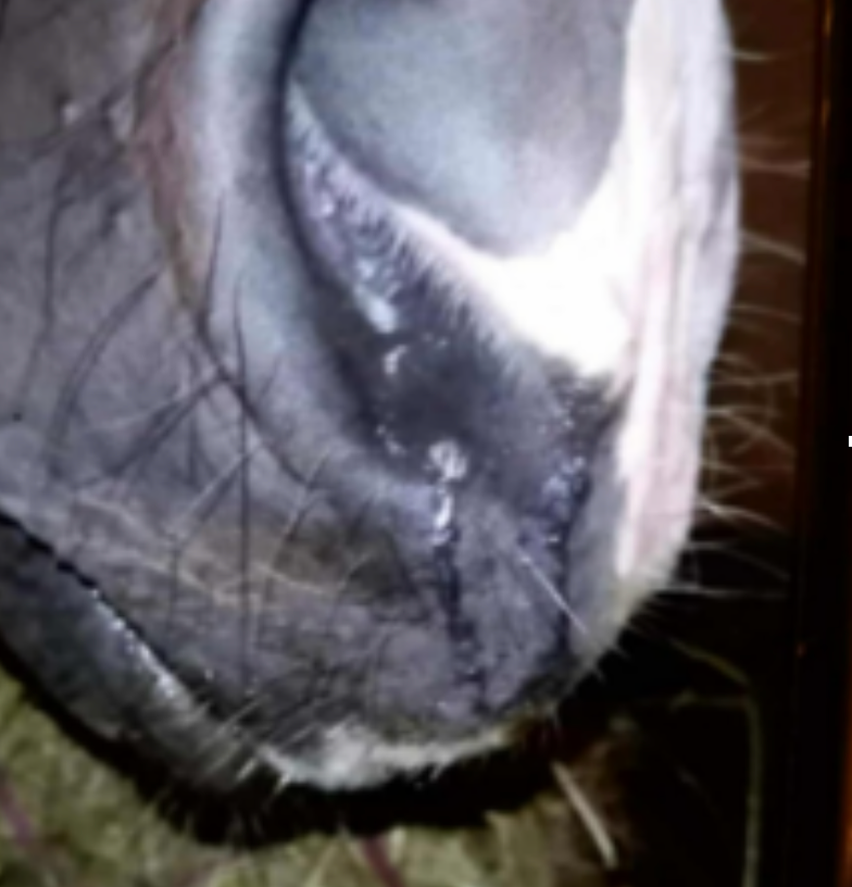
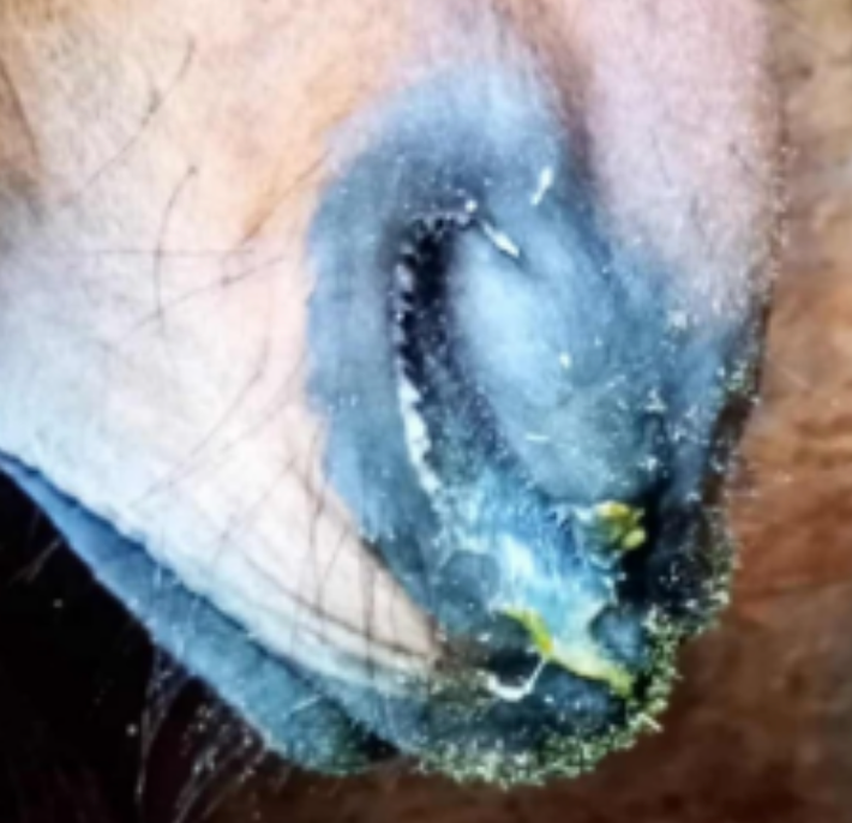
During Dry Salt Therapy sessions, I will talk to clients about their horse’s symptoms, history, behaviour, look at yard environment and observe how the is horse takes to Dry Salt Therapy session., Is there coughing, sneezing/nose blowing, nose rubbing and last but not least see what comes out of the horse’s nose, taking note on the consistency, colour and thickness, coming out of one nostril or both. Just the mucus and discharge along can tell me a lot about your horse’s respiratory health and the pathogens that are causing your horse to struggle within the respiratory department.

- Equine Asthma / Hypersensitivity to air quality
Very little is seen, the smallest amount of discharge will bring the horse a large amount of respiratory improvement. The salt being breathed into the lungs works a lot on reducing the inflammation with in the lungs. The nose will tend to drip then turning into thicker clear mucus. Asthma sufferers that are triggered by different conditions dust / pollen will show mucus to what their triggers are, as below.

- Allergies to Dust
If your horse develops a cough or respiratory distress during dry dusty conditions in the summer months or does your horse get a cough from being stabled more over the winter months. Your horse is struggling with the dust. During both of these situations your horse is inhaling dust from the dry soil in the summer or the dust from the stabled environment and/or hay. During and after dry salt therapy sessions the salt will start to clear the dust out of the lungs which is causing the breathing problems. Brown dirt and dust particles will be seen to come out of the lungs, the nose will look very dirty.

- Seasonal Allergies (Pollen)
Allergies to pollen Is the biggest cause to respiratory problems, e.g. Coughing, breathing distress and snotty nose that is not asthma. From February to October there are different types of pollen that can cause your horse to have problems with their breathing or skin, a calendar of allergies can be found here. Inhaled pollen can cause an inflammatory response in the body; this causes the body to produce thick white/creamy mucus to come out of the horse nose or white specs being blow out when your horse sneezes. Inhaled pollen does not just cause breathing issues, coughing seasonal head shaking, sneezing and/or a snotty nose. Inhaled pollen is very high in protein. Due to inhaling high protein pollen this can cause your horse to show signs of laminitis without your horse eating high sugared grass. So, if your horse is struggling with laminitis over the summer months and has not been out on the grass, high protein pollen particles in the air will be the culprit, dry salt session can help clear the airways from this pollen and increase oxygen levels in the feet

- Cardiac Asthma
Cardiac asthma is not a disease of the lungs like Asthma but rather a type of wheezing / coughing caused by fluid congestion in the lungs and around the body. Either Kidneys and/or Liver failure can cause this due to the kidneys not filtering water and excessive waste out of the body and the fluid builds up. Or the cardiac system and heart values can be weak due to the heart having either over worked during competition days, born that way or weakened as the horse gets older. In both conditions the heart becomes weak due to the amount of fluid causing it to function incorrectly, unable to pump all the fluid around the body, this fluid builds up within the body and leaks into and around the lungs and gut. When oxygen in the lungs and fluid mix it causes foaming with in the lungs. During and after dry salt sessions foam can be seen coming out. Other signs include fluid accumulation (edema) under the skin of the limbs, and on the underside of the chest and abdomen. Along with Dry Salt Therapy sessions, regular Theraplate sessions help move the fluid around the body away from the lungs. Read here about Lewis’ story. Read here about Lewis’ story (coming soon).
- Sinus infections
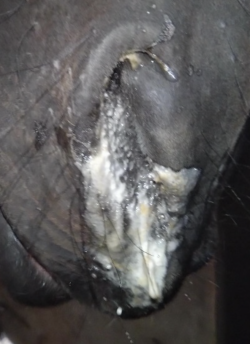
Equine sinusitis is an inflammatory condition involving excessive nasal discharge seen in one nostril (very rare to be seen in both nostrils), often caused by another infection within the upper respiratory tract caused by bacteria, a buildup of inflammation due to allergies or a tooth root infection.Equine Sinusitis comes with a foul smell and can affect either of the two front sinus or back two sinuses. A nasal endoscopy may be carried out in order to visualise and assess the infection, with CT scans and X-rays are good to see the route of the problem if a tooth is involved. Most vets will opt for antibiotics and then surgery. Dry Salt therapy is a good way of clearing the sinus while avoiding surgery. The powerful antibacterial properties of salt is breathed in to the infected sinus and in turn attracts the infected mucus out and down the nose, coating the sinus pouch to reduce the infection.The horse in the photos developed a sinus infection. Without the use of antibiotics, salt therapy sessions were given straight away when owner noticed the mucus and the smell. The horse received 4 consecutive days of dry salt sessions and by day 4 the nasal discharge was running clear with no smell smelt.
Before Salt Therapy

After 4 Sessions of Salt Therapy

Scientific Studies for Dry Salt Therapy (Halotherapy)
The Effects of Dry Salt therapy on Lung health, using before and after results from Tracheal Wash – Link coming soon.
Using Dry Salt Therapy for healing of airway ulcers – Link coming soon.
Success Stories – Breathing
Kiera (Asthma)
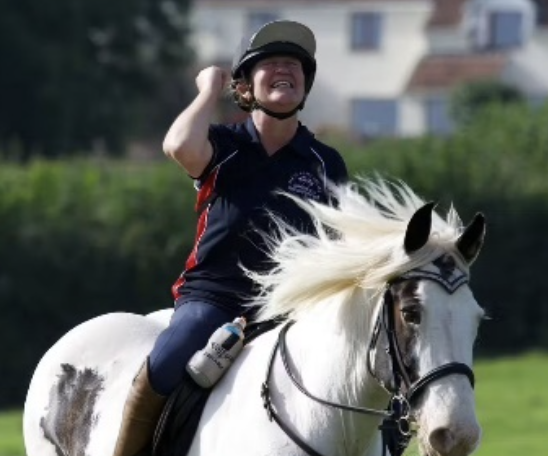
Kiera competed in endurance races and the biggest achievement was competing in Man V Horse (Wales) in 2019, before being diagnosed with Asthma in 2020. Symptoms were coughing, wheezing, she was unrideable. The vets had Keria on maximum dose of steroids and inhalers and still symptoms couldn’t be got under control. The vets only option was to be put to sleep as they spoke to owner regarding Keira’s quality of life. Keira’s owner contacted me as a last resort. After many salt sessions to get Keira’s breathing back under control, Keira came off all the drugs and started being ridden again. It was noted over the years of regular salt sessions, Keira’s symptoms got worst in the summer due to the dust and heat during the dry weather, which meant Keria did well with regular sessions every 4-6 week during the summer months and every 8 weeks during the winter months. In October 2023, Keira and her owner competed again in Man V Horse (Somerset). What an amazing achievement that was for them both, you can see the delight on her owners face, having thought a few years ago that Keira would never be able to achieve such fitness and performance again after her Asthma diagnosis and years of struggling with her breathing. Unfortunately Keira is no longer with her owner, in the end old age and arthritis crept up on Keira, it was her joints that let her down not her breathing.

Raven (COPD)
June 2020, I received this email..
“Hi, I am interested in your therapy my horse is 19 and has suffered for the last 3 to 4 years with COPD symptoms which I’m sure is allergy related as it’s always worse in summer. He has a nebuliser and has ventipulmin and steroids daily but still has some coughing, He also has various supplements such as spirulina, salt, turmeric, garlic all for this issue. I’d be interested to see if this therapy helps his issues”
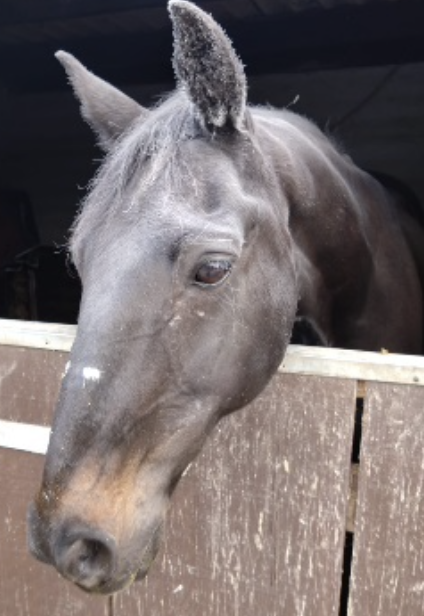
Forward to 2026, Since Raven had his first initial 3 salt sessions in 2020, his owner hasn’t given him his nebuliser, ventipulmin or any steroids. He has had regular salt sessions 4-6 weeks during the summer months and 8 weeks during the winter months since starting Dry Salt Therapy back in 2020. The key with Raven was to get him to sneeze / blow his nose as he didn’t, all he would do was cough. It took 6 months of salt sessions to get Raven to blow his nose. Blowing his nose allowed him to clear his pipes of the mucus rather than just coughing while the mucus stayed in his lungs. All he doesn’t now is blew his nose.
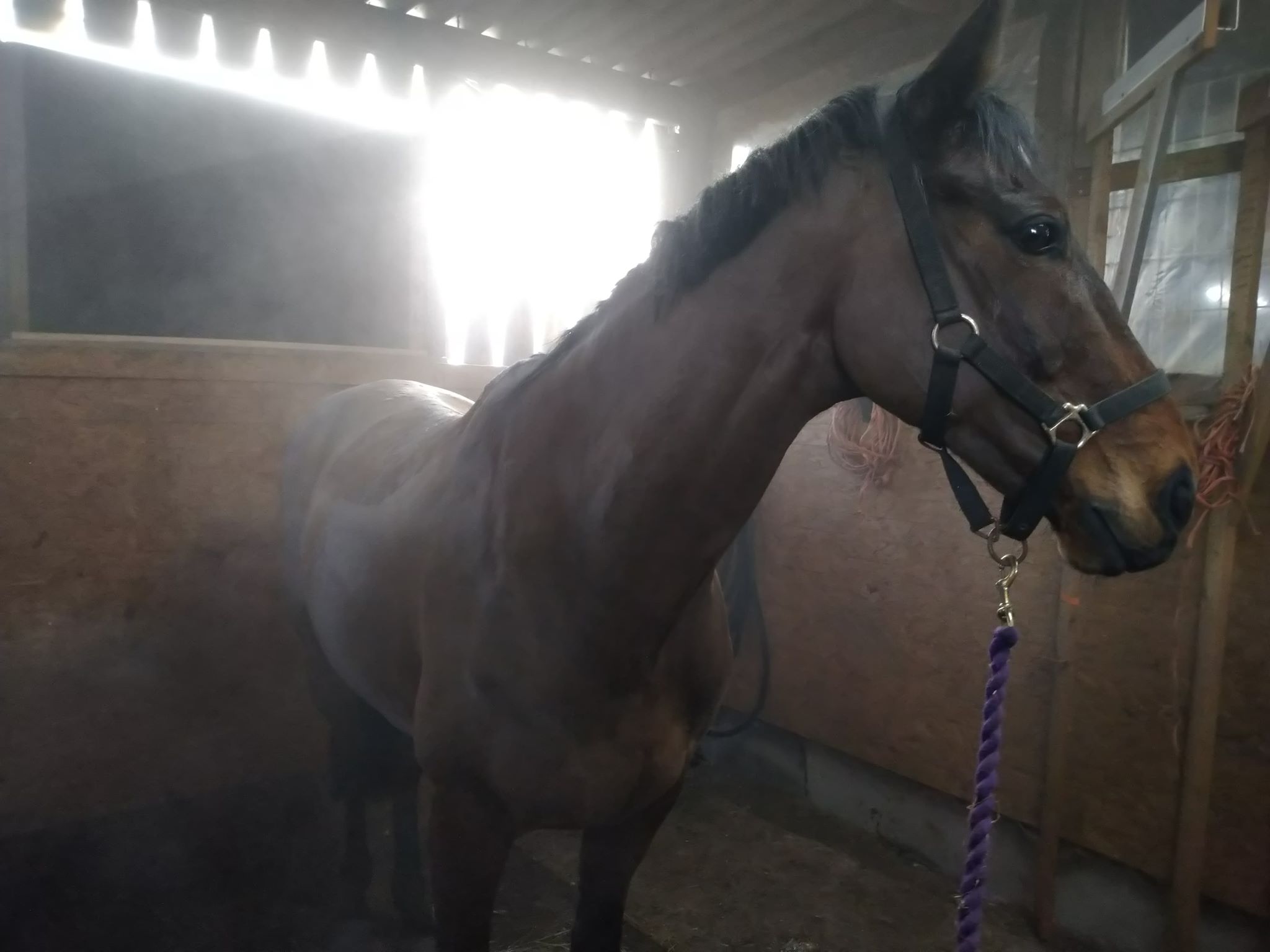
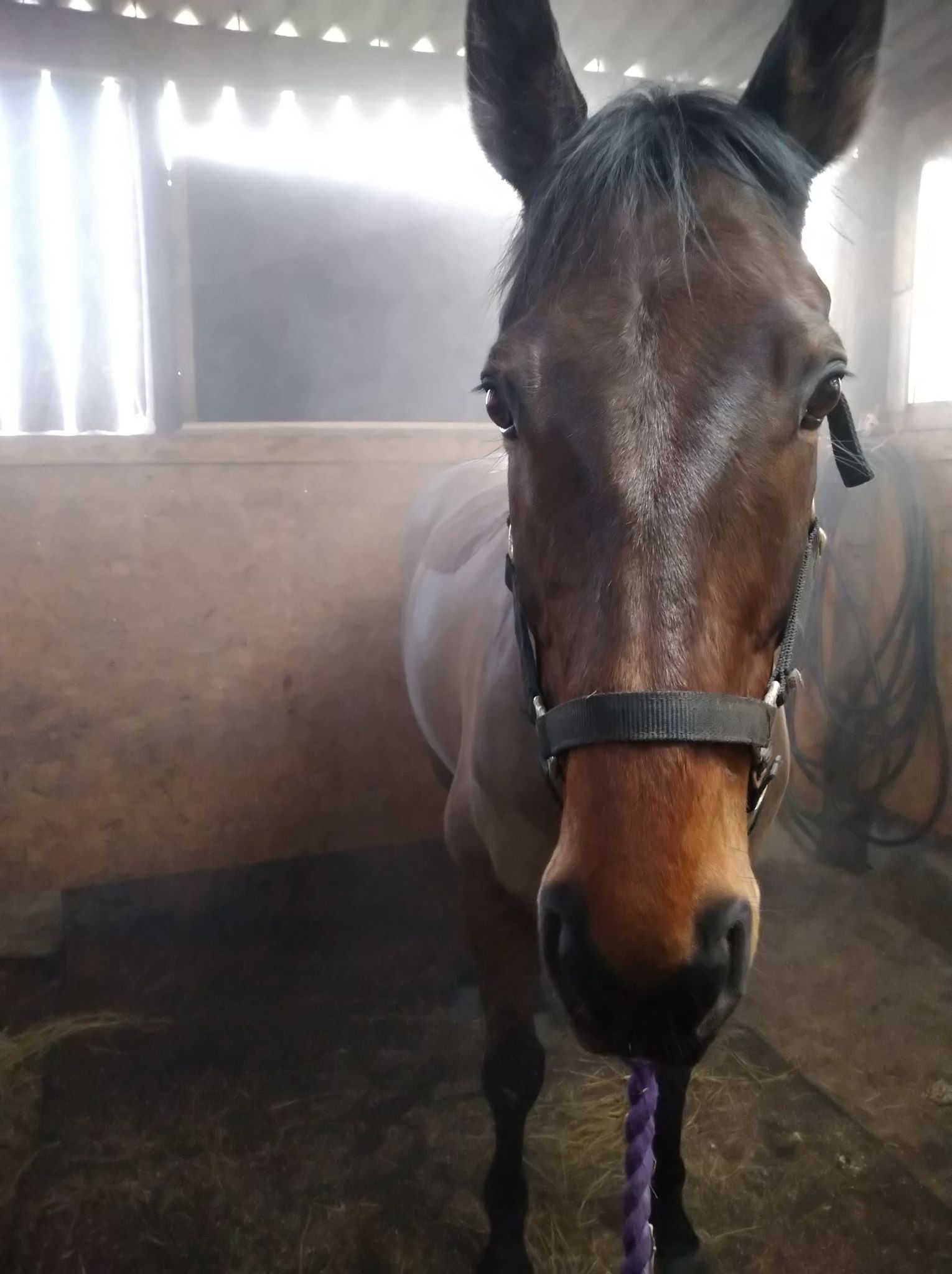
During a dry summer in 2025, you can see how Dry salt therapy is still helping Raven keeping his airways clear of the dust and dirt. The two photos at the top show the brown of the dust and dirty, he had breathed in since his last salt session. The bottom two photos show how the nose was running clear after his salt session, removing all the dust and dirty from his airways, keeping his respiratory condition under control.

Success Stories – Itchy Skin / Sweet itch
Max (Itchy skin)
Max was itching himself to the point of self-harming, rubbing on everything all year around not just in the summer. No creams or shampoos worked. He had his rugs changed every week, on shavings and haylage. During Max’s initial 3 sessions he showed allergy discharge down his nose indicating the itching was being caused by allergies. What the salt was doing was helping from the inside – out, clearing the pollen that he had inhaled, which was building up in the body causing the itch from the inside. After the 2nd salt session the itch had improved, by day 3 no itching at all the wounds drying up.
Narla – True sweet itch (Flies)
Before Narla started dry salt therapy sessions, her skin was very itchy, red raw with open wounds every summer, she religiously had to wear a sweet itch rug day and night for years. I started salting Narla at the end of the summer in 2021 after these photos were taken in September. During the later part of the year all the salt sessions could do was to heal the wounds. Narla had the winter off salt sessions and I picked her back up spring of 2022. The salt was ahead of the flies and we were able to keep Narla looking amazing thought out her first full summer of salt sessions every 4-6 weeks. Look how great she looks in the photo of summer of 2022, no open wounds, no itching and a great shine on her coat. Narla’s owner has continued her salt session every spring and summer and every year she looks great and no longer needs to wear a sweet itch rug during day in the summer months.


There are a 2 Types of Salt therapy:
- Dry salt therapy (Halotherapy)
- Wet Salt therapies (Salt and Water = Saline)
Dry salt is more effective than Wet Salt. As the salt is dry so the salt via osmosis can draw more water (mucus) within the lungs. With the nebulisers being wet salt.
Wet Salt Therapies use a mix of salt and water also known as Saline, due to the water already involved there is a limit to how much more water can be draw from the mucus during the osmosis stage. Another difference between the two is Dry salt can get into the upper and lower respiratory system as it’s dry and heavier while the wet salt therapies are limited to the upper airways.
This is the main advantage with Dry Salt Therapy over the nebuliser it’s more effective and great for horses that won’t accept a nebuliser over their face, another benefit is while the machine is on, the salt is also helping with skin conditions and other ailments, great for horse with allergies (a lot of horses with allergies struggle with skin and breathing at the same time) with the nebuliser only concentrating on the lungs.(Photo courtesy of flexineb)


The main advantage of the nebuliser is that it can be given in the middle of the field with no power source and can add steroids into the saline, where Dry Salt Therapy can be given in the safety of the horse’s stable, or some sort of area. It doesn’t have to be completely enclosed just out of the wind, as long as there is a roof and sides of some sort it can work. The main disadvantage of a nebuliser is that its cannot treats skin conditions.
Clients of mine who have regular Dry Salt Therapy sessions for their horses, who also use a nebuliser everyday say they don’t see any mucus coming out with the nebuliser but after the dry salt sessions you can see mucus coming out, one owner describes the dry salt session as a “ Booster session as the Dry salt is more effective than the regular nebuliser sessions”
Frequently Asked Questions
Can Dry Salt Therapy be given to any horse?
It can be used to improve cardiovascular performance and therefore overall abilities in competition horses but also help a well-loved Shetland pony reduce their respiratory or skin conditions. So yes, it is suitable for any type of horse or pony across all of the different equine disciplines.
What space do you need available for treatment?
The best space for the most efficient treatment is an enclosed area with point of power (standard plug point or generator), to keep the salt vapour concentrated around the horse. But Dry Salt Therapy can be given in an open American barn or stable without top doors, it just means the machine and horse is placed in a certain way to get the best out of the salt sessions, licks hay or feed can also be used to put the horses head into the salt if in a open space. If your horse would benefit from salt sessions and you’ve limited to facilities or you only have a sheltered or old shed please do get in contact to discuss the options. I will always prefer to salt your horse at your horse’s yard as they are in their own calm environment. If your horse is calm and relaxed you and your horse will get more out of sessions.
Should I be worried that my horse has nasal discharge after Dry Salt Therapy?
No. This is expected and the amount will vary between each horse. The salt therapy takes time to stimulate mucus movement within the lungs and nasal discharge is a sign that the mucus is clearing from the lungs which can take up to 2 weeks to clear following treatment. Symptoms may get worse before they get better due to mucus loosening, this may cause more coughing, sneezing and more mucus seen for the 2 weeks after the initial 3 salt sessions.
Should I restrict my horse’s training during their Dry Salt Therapy sessions?
We recommend that daily activities continue as normal however do suggest not to let the horse work an hour before or an hour after salt therapy treatment. This is just to allow your horses breathing to be at a rested state and not recovering from exercise
How often should my horse have Dry Salt Therapy?
For all respiratory and skin conditions, we initially recommend 3 x 25/30 minute sessions over 3 consecutive days. Depending on the severity of the condition I might advise one day top up sessions sooner rather than late, as the quicker the lungs clear, the quicker the symptoms will reduce.
Depending on the symptoms and your horse’s individual needs, we recommend scheduling seasonal or periodic top-up treatments to stay on top of lasting symptom relief. A top-up session can also be ideal to give your horse’s overall well-being a boost.


Price List / Area’s covered
Areas covered – Leicestershire, Warwickshire, Nottinghamshire, Derbyshire and Northamptonshire
Sessions are now available on your yard from £50.00 per session, £150.00 for the three days, additional top ups after from £50.00.
I am very happy to treat horses outside of these areas but a fuel charge may be added.

Testimonials
Asthma / COPD / Breathing Issues / Coughing
Sinus Infections / Inflammation
Summer Allergies
Hayfever, respiratory difficulties and head shaking caused by pollen
Sweet itch / itchy skin
Summer allergies